
Boilers & heating
Should I repair or replace my boiler?
A boiler breakdown doesn’t automatically mean it’s time for a new one. Equally, repeatedly repairing a badly deteriorated appliance isn’t always good value. The right answer starts with knowing what has failed and what condition the rest of the system is in.
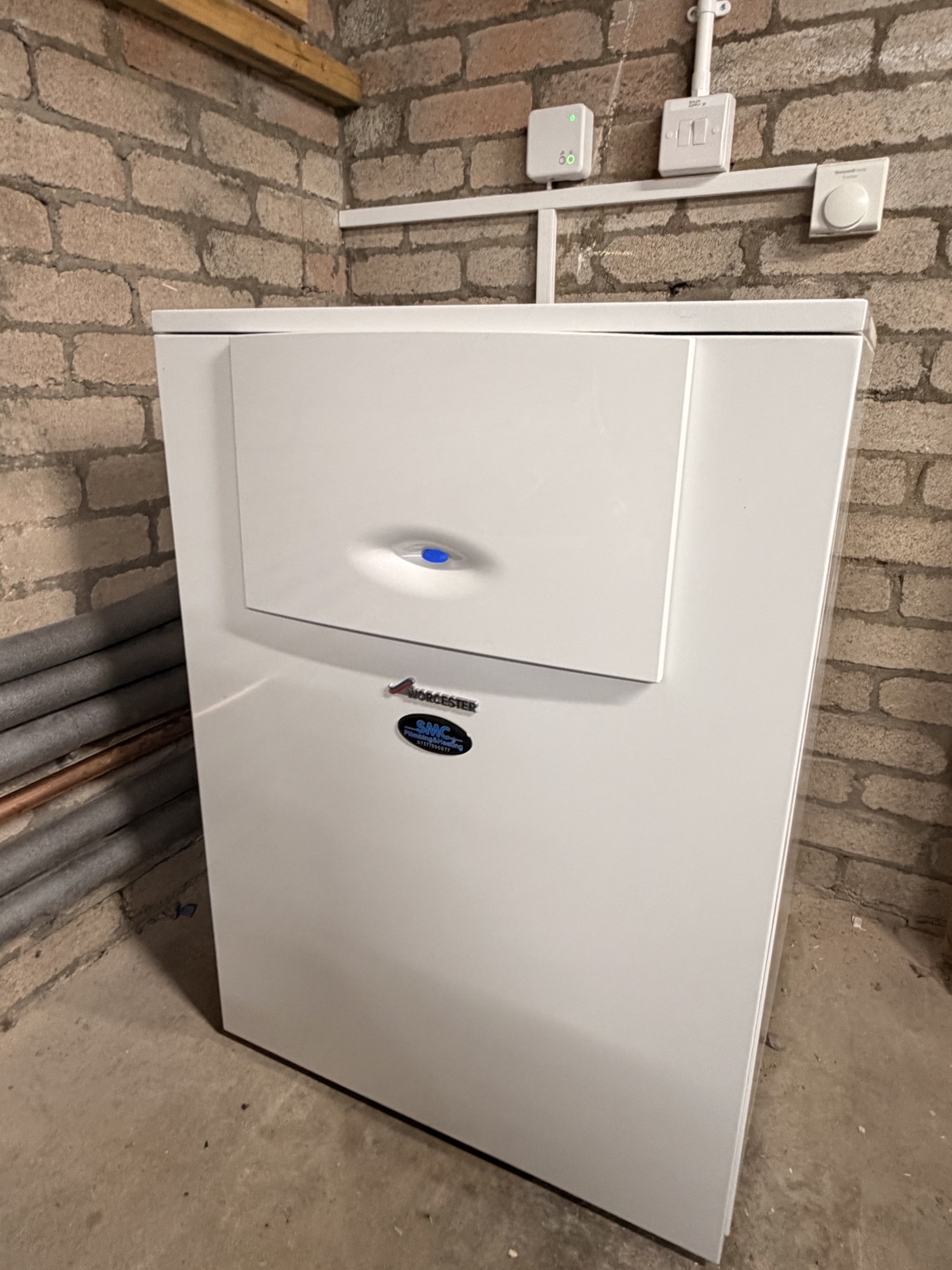
Diagnose before deciding
“No heating” is a symptom, not a diagnosis. The fault could be within the boiler, in an external control or elsewhere in the heating system. Replacing a boiler won’t necessarily solve a problem outside it.
Ask what has failed, how that conclusion was reached and what the proposed repair includes. At SMC, fix first means considering a sensible repair before recommending replacement.
Age is one factor—not the verdict
An older boiler with an isolated, repairable fault may still be worth keeping. A newer boiler with significant damage may need a different conversation. Service history, corrosion, previous breakdowns and the availability of suitable parts all matter.
There is no single birthday on which every boiler becomes uneconomical. Condition and evidence should guide the recommendation.
Compare the full options
For a repair, ask about the total cost, what it addresses and any warranty on the work or part. For replacement, ask what the installation includes: controls, system preparation, flue work, waste removal and any making good.
Also check the conditions of any manufacturer guarantee. Comparing a small repair price with a bare boiler price tells you very little about the actual decision.
Think about reliability and your needs
Repeated unrelated failures, unavailable parts or serious deterioration can make replacement more sensible. Your household’s heating and hot-water needs matter too, particularly if the existing arrangement no longer suits the property.
A bigger boiler isn’t automatically better. A replacement should be selected for the home and hot-water demand, with the suitability of the existing system assessed.
Be realistic about savings
A new appliance and improved controls may reduce energy use, but savings depend on what you replace, the property, settings and usage. Be wary of guaranteed bill reductions without a clear calculation. Installation cost and likely running costs both belong in the comparison.
Safety comes first
If an appliance is unsafe, follow the attending engineer’s advice. Keeping it operating while you decide is not always an option. A repair-versus-replacement discussion comes after the immediate risk has been addressed.
Our approach
We’ll explain the diagnosed fault, whether repair is practical and what replacement would involve if it is justified. You should have enough information to make a decision—not feel pushed into one.