Home maintenance
Plumbing and heating maintenance checklist
Small plumbing and heating problems are easier to deal with before they turn into a cold house or a wet ceiling. Here’s our team’s practical checklist for homeowners in Cardiff, Caerphilly and the surrounding areas.
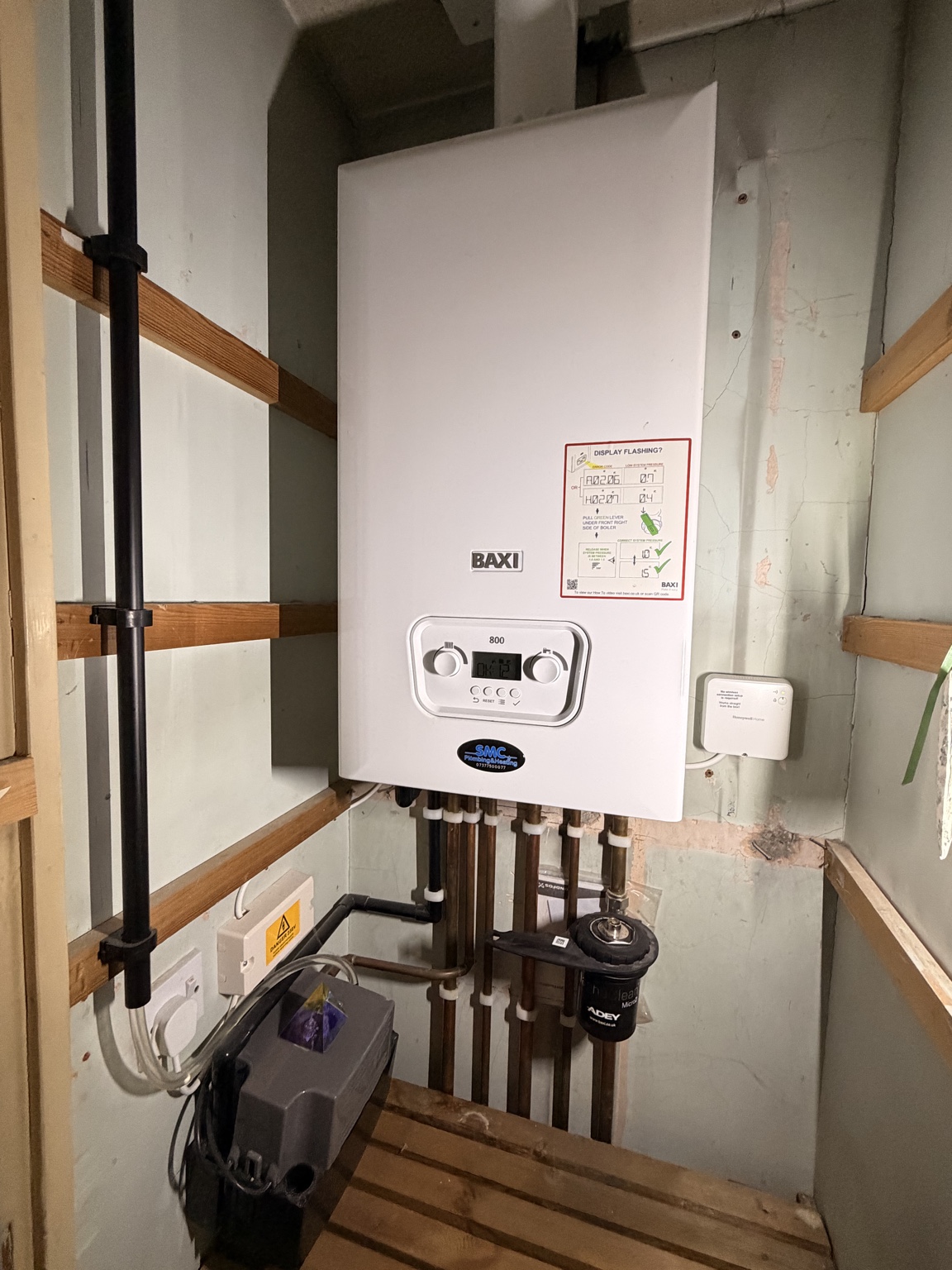
Keep your boiler service up to date
Arrange servicing in line with your boiler manufacturer’s instructions—normally annually. For a gas boiler, use a suitably qualified Gas Safe registered engineer. Mention any unusual noises, pressure changes or intermittent faults when booking, even if the boiler is still working.
A service and a fault-finding visit aren’t always the same thing. Knowing about a problem beforehand helps us allow the right time.
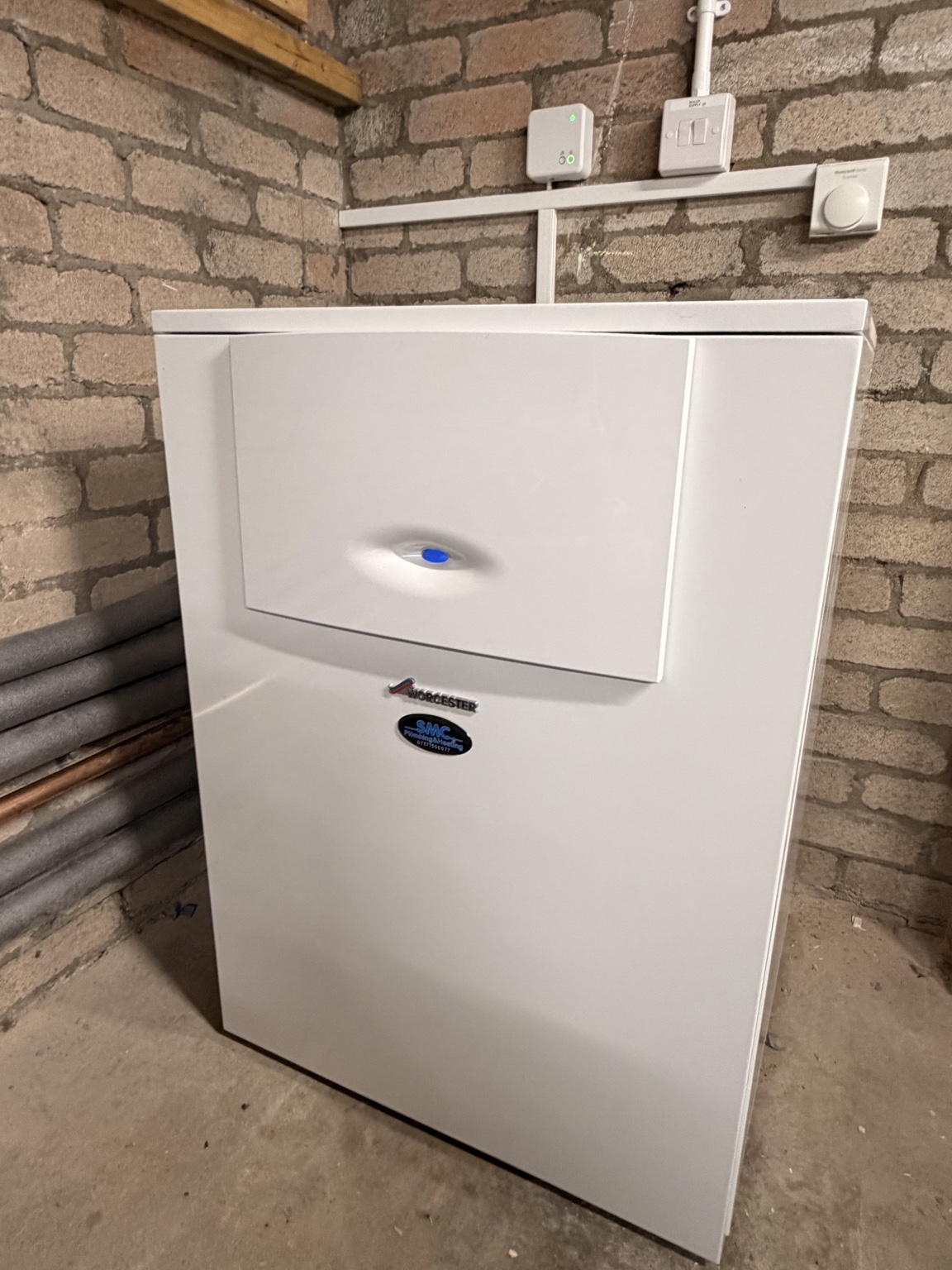
Check your heating before you need it
Switch the heating on before the colder weather arrives. Check that the controls respond and each radiator warms up.
Cold areas, persistent noise or rooms that never reach temperature are worth investigating. Air, poor circulation, valve faults and sludge can cause similar symptoms, so a cold radiator doesn’t automatically mean the system needs flushing.
Keep an eye on boiler pressure
If you have a sealed heating system, check the pressure against your boiler’s user instructions. Many systems operate around 1–1.5 bar when cold, but the correct setting depends on the installation.
Repeatedly topping up isn’t a repair. If the pressure keeps falling, or rises excessively when the heating runs, arrange an investigation.
Look for small leaks
Check accessible pipework beneath sinks, around radiator valves and near toilets. Damp patches, staining and swollen cupboards can reveal a slow leak before it becomes obvious.
A toilet that keeps running into the pan also deserves attention—it can waste water without leaving a puddle.
Know where your stop tap is
Make sure you know where your main internal stop tap is and can reach it quickly. If it is seized or leaking, have it repaired rather than forcing it.
Protect exposed pipes and outside taps
Check the insulation on pipes in unheated areas such as garages and lofts. Protect outside taps, disconnect garden hoses before freezing weather and replace damaged insulation.
Where an outside tap has a suitable internal isolation valve, it may be possible to isolate and drain the exposed section. Ask us if you’re unsure how yours is arranged.
Don’t forget your hot-water cylinder
If your home has a hot-water cylinder, follow its manufacturer’s maintenance requirements. Unvented cylinders need attention from someone competent to work on their safety controls.
Report leaks or water discharging through the tundish. Never block a discharge pipe or interfere with a safety valve.
Check controls and alarms
Review your heating schedule and replace thermostat batteries where required. Test carbon monoxide alarms according to their instructions and check their replacement date. An alarm does not replace proper appliance maintenance.