
Plumbing
What to do before calling an emergency plumber
Water coming through the ceiling or a toilet threatening to overflow can make anyone panic. The first priority is to keep everyone safe and limit further damage. Here’s what homeowners in Cardiff and Caerphilly can check before arranging an emergency visit.
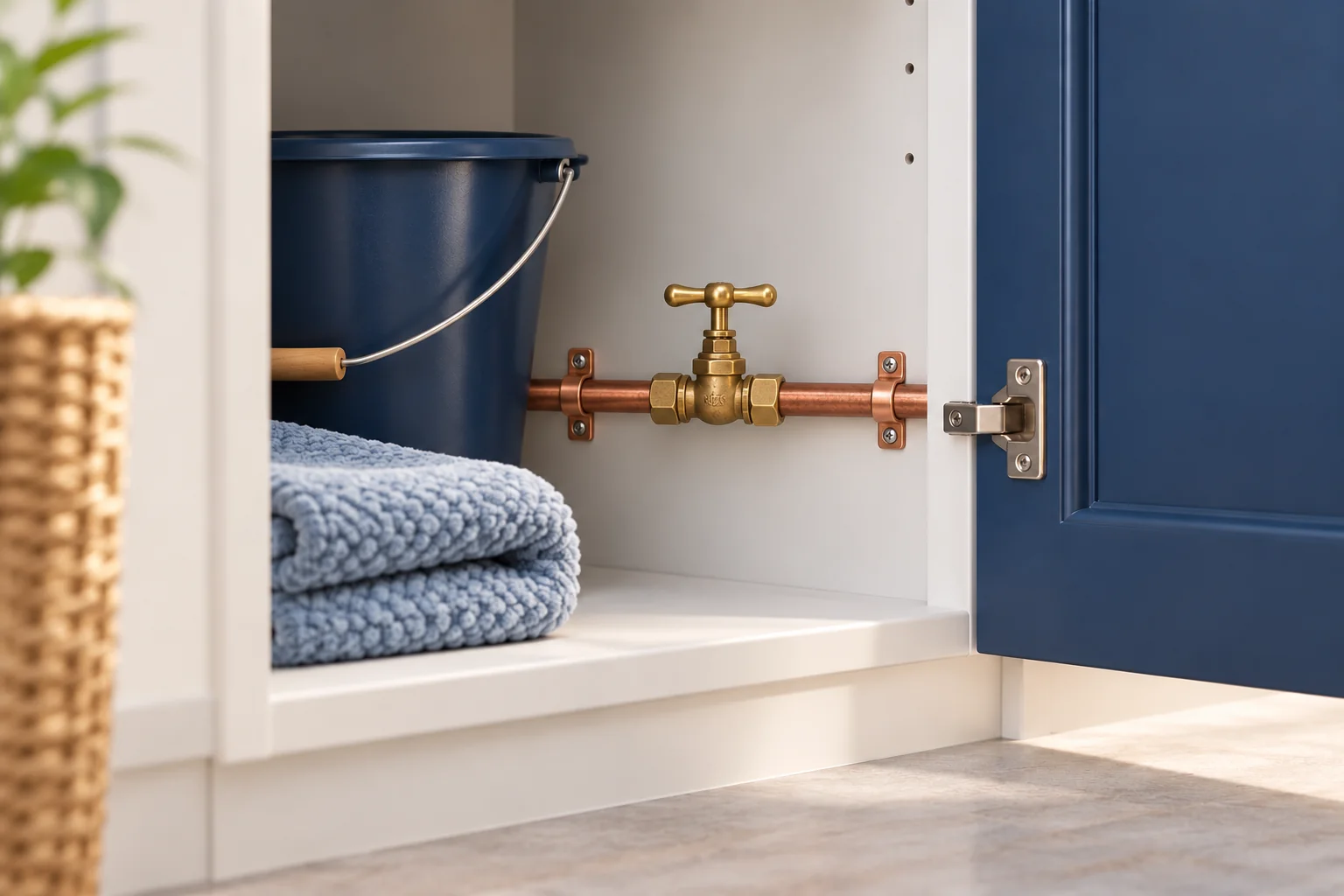
Stop the water, if it’s safe
For a leaking tap, toilet cistern or appliance, a local isolation valve may let you turn off that fitting’s supply. If you can’t isolate it locally, turn off your internal main stop tap if it’s safely accessible. Don’t force a seized valve.
Stored water or water already in a heating system may continue leaking after the mains supply is off. Check whether the flow actually stops. For a blocked toilet, stop flushing. Turning off its water supply won’t prevent sewage backing up from a blocked drain.
Keep away from electrical hazards
If water is reaching sockets, lights or electrical equipment, keep clear. Don’t touch wet switches or appliances, and don’t walk through water to reach the consumer unit. Keep people away from sagging ceilings too. Don’t stand beneath them or attempt to puncture them. Where there is an immediate danger to life, call 999.
Decide whether the problem can wait
A dripping tap or a fitting that has been safely isolated may be suitable for a normal appointment, provided the leak has stopped and there is no continuing damage. Uncontrolled leaks, sewage backing up, water near electrics or a risk of ceiling collapse need urgent attention.
Having no usable toilet, or losing heating in cold weather when vulnerable people are at home, can also make a problem more urgent. If you’re unsure, describe the situation when you call. Don’t assume that turning a valve means everything is safe to leave.
Check who can help
If neighbouring properties also have no water, check your water company’s incident information. For suspected public sewer blockages or leaks in the street, contact Welsh Water. Responsibility depends on the pipework involved.
If you rent, contact your landlord or managing agent’s emergency number. If you have home emergency cover, check its contact procedure before arranging work, provided doing so won’t delay urgent safety action.
Give the plumber useful information
Have your postcode ready. Explain where the water is coming from, whether it is still flowing, whether you have isolated the supply and which fittings are affected. Mention electrical risks, damage below the leak and any drain-cleaning products already used. Take photos only from a safe position.
Ask about charges and availability
Before booking, ask about the call-out charge, what it includes, additional labour charges, VAT and materials. Confirm the likely arrival time and how further work will be agreed. Some faults need an inspection before anyone can give a reliable repair price.
Smell gas? Treat that separately
If you smell gas or suspect carbon monoxide, leave the affected building and call the National Gas Emergency Service on 0800 111 999 from outside. Don’t operate electrical switches or use naked flames. For an LPG supply, contact your supplier’s emergency service. If anyone is seriously unwell, call 999.
Need plumbing help?
Call SMC with your postcode and a brief description. We’ll confirm our availability and explain the next step. For an urgent problem, call rather than relying on a website enquiry form.